Every year, thousands of workplace accidents occur because workers are not seen by drivers, machine operators, or coworkers. Whether on construction sites, highways, warehouses, ports, or airports, visibility is one of the most important factors in preventing accidents.
A safety vest, also known as a high visibility vest or reflective safety vest, is designed to make workers stand out in both daylight and low-light environments. It is one of the simplest yet most effective types of personal protective equipment (PPE).
In this article,let’s know what safety vests are used for, why they are important, where they are required, and how to choose the right one for your workplace.
What Is a Safety Vest?
A safety vest is lightweight protective clothing made from fluorescent fabric combined with reflective tape. Its primary purpose is to increase the wearer’s visibility so they can be easily seen by people operating vehicles or heavy machinery.
Most safety vests feature:
- Fluorescent yellow, orange, or other fluorescent fabric
- High-quality reflective strips
- Lightweight and breathable materials
- Front zipper or hook-and-loop closure
- Optional pockets for tools, ID cards, radios, or pens
Although a safety vest cannot protect against physical impacts, it significantly reduces the risk of visibility-related accidents.
What Is the Use of a Safety Vest?
The main purpose of a safety vest is to help workers remain highly visible in low-visible environments, reducing the likelihood of accidents.
Here are the most important uses.
1. Improve Worker Visibility
Visibility is the first reason for wearing a safety vest.
Reflective tape reflects vehicle headlights at night, while fluorescent fabric improves visibility during the day.
This allows drivers to notice workers from a greater distance, giving them more time to react.
2. Prevent Workplace Accidents
Many workplace accidents happen because someone is difficult to see.
Safety vests help reduce accidents involving:
- Moving vehicles
- Forklifts
- Excavators
- Cranes
- Heavy equipment
- Loading trucks
Improved visibility means safer working conditions for everyone.
3. Meet Workplace Safety Regulations
Many countries require high visibility clothing in certain industries.
Safety vests help companies comply with occupational safety standards and industry regulations.
Choosing compliant reflective vest can also reduce legal risks and improve workplace safety management.
4. Identify Workers and Job Roles
Safety vests can also be customized to distinguish different personnel.
Many companies print logos, department names, or job titles on safety vests for easier identification.
5. Increase Safety in Low-Light Conditions
Workers often operate:
- Early morning
- Evening shifts
- Night construction
- Underground facilities
- Warehouses
- Parking lots
Reflective strips become highly visible when illuminated by work lights, improving worker recognition in dark environments.
6. Improve Team Management
Color-coded safety vests help organize large workforces.
For example:
- Yellow – General workers
- Orange – Road construction
- Green – Safety inspectors
- Blue – Visitors
- Red – Emergency personnel
Different colors make personnel easier to identify at a glance.
Where Are Safety Vests Used?
Safety vests are widely used across many industries.
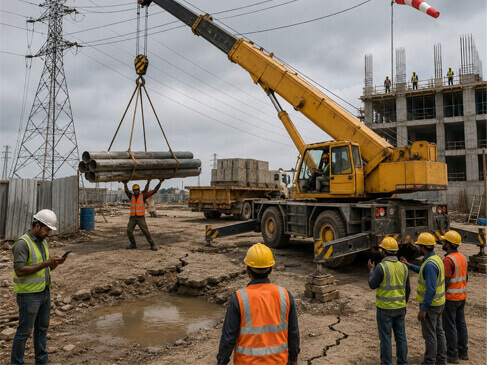
1. Construction
Construction sites involve heavy machinery, cranes, trucks, and multiple contractors.
High visibility clothing helps reduce collisions between workers and equipment.
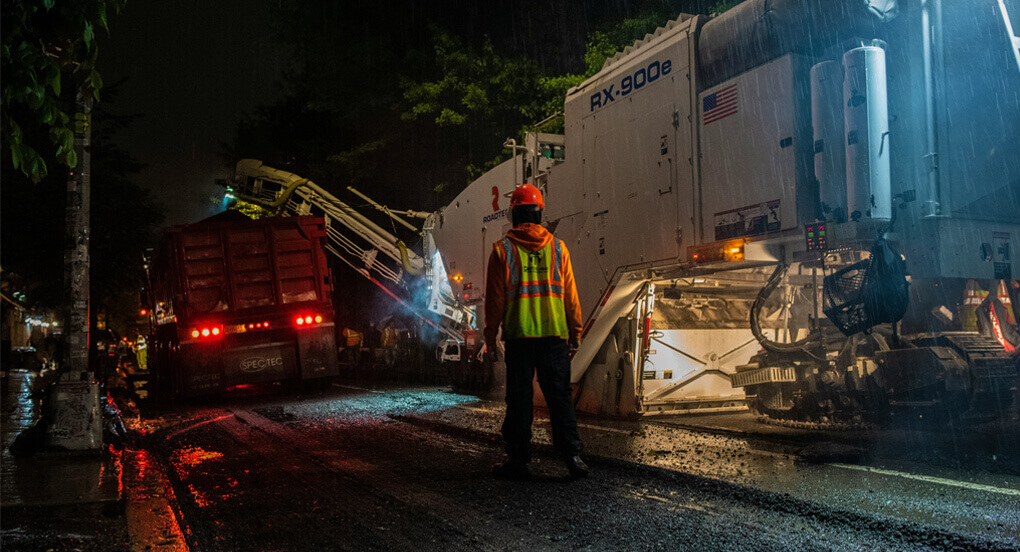
2. Road Construction
Road workers operate close to moving traffic.
Reflective safety vests are essential for helping drivers notice workers from a distance.
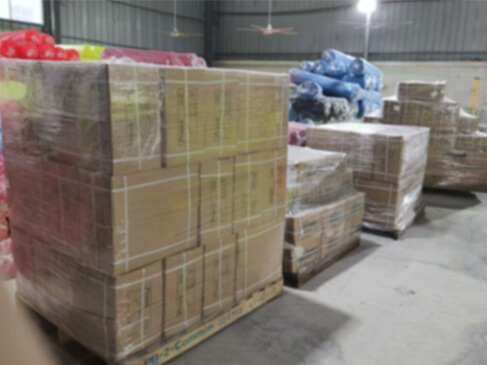
3. Warehouses
Forklifts constantly move through warehouse.
Hi vis vests improve visibility between forklift operators and warehouse employees.
4. Manufacturing
Factories with moving machinery benefit from increased worker visibility, particularly in large production areas.
5. Logistics and Distribution
Loading docks are busy environments with trucks, trailers, and forklifts.
Safety vests reduce accident risks during loading and unloading operations.
6. Airports
Ground crews work around aircraft, service vehicles, and baggage equipment.
High visibility vest helps pilots and vehicle operators recognize workers quickly.
7. Ports and Marine Operations
Dock workers frequently work around cranes, containers, and heavy cargo handling equipment.
Reflective safety apparel improves safety in changing weather and lighting conditions.
8. Emergency Services
Police officers, firefighters, and rescue personnel wear reflective safety garments to remain visible during emergencies.
Why Are Reflective Strips Important?
Many people think bright colors alone are enough.
However, reflective tape serves a different purpose.
Fluorescent fabric works best during daylight.
Reflective strips work best when illuminated at night.
Together they provide visibility 24 hours a day.
Types of Safety Vests
Choosing the right safety vest depends on the working environment.
1. Basic Reflective Vest
Suitable for visitors, warehouse workers, and general industrial use.
2. Mesh Safety Vest
Made from breathable mesh fabric, ideal for hot climates and outdoor work.
3. Multi-Pocket Safety Vest
Designed for engineers, surveyors, inspectors, and maintenance personnel who carry tools and documents.
4. Zipper Safety Vest
Provides a secure, professional fit compared with hook-and-loop closures.
Suitable for long-term daily use.
5. Custom Safety Vest
Can include:
- Company logo
- Employee name
- Reflective logo
- Department identification
- Custom colors
Ideal for branding and corporate safety programs.
How to Choose the Right Safety Vest
When selecting a safety vest, consider the following factors:
1. Work Environment
Higher traffic areas require higher visibility.
2. Material
Choose breathable mesh for hot weather or solid fabric for durability.
3. Reflective Tape
High-quality reflective tape offers better visibility and longer service life.
4. Closure Style
Options include:
- Zipper
- Velcro
- Snap buttons
Zippers generally provide greater durability.
5. Storage Needs
Workers carrying tools may benefit from multiple pockets.
6. Custom Branding
Businesses can improve professionalism by adding custom logos and company information.
Conclusion
A safety vest is much more than a piece of bright clothing. It is a critical component of workplace safety that helps prevent accidents, improves visibility, supports regulatory compliance, and enhances team organization.
Whether you work in construction, logistics, manufacturing, transportation, or emergency services, choosing the right reflective safety vest can significantly improve worker protection.
If you’re looking for a reliable manufacturer of high-quality reflective safety vests, contact JINDA Reflective today to discuss your OEM, wholesale, or custom safety apparel requirements.