High visibility vests are essential safety garments used in workplaces where visibility is critical. They are widely used in construction, road traffic management, logistics, and industrial environments.
This article explains what a high visibility vest is used for, what a Type 2 hi vis vest means, whether it is illegal to wear hi vis clothing, and the main safety requirements.
What Is a High-Visibility Vest Used For?
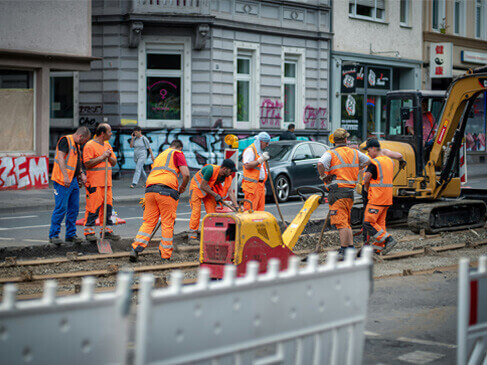
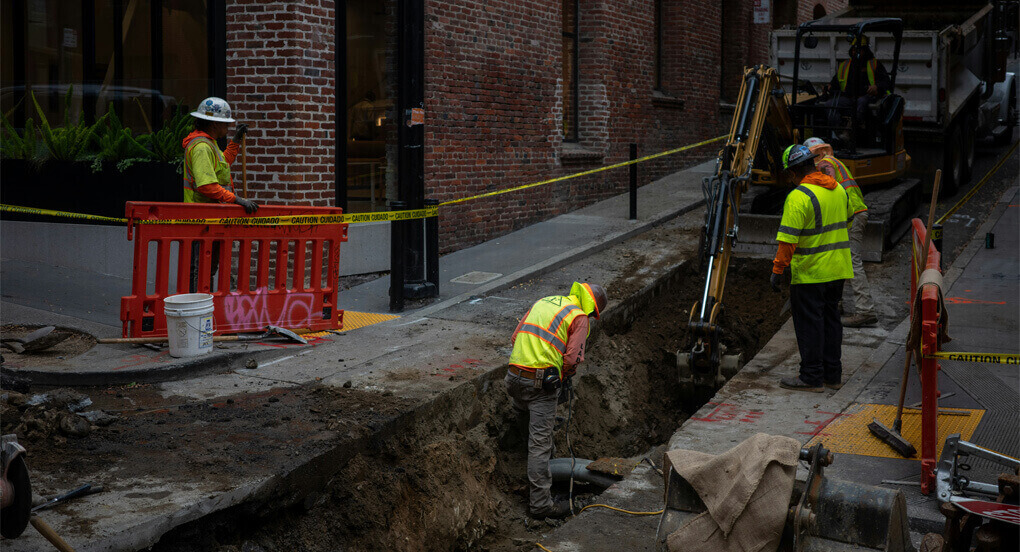
A high visibility vest is designed to make the wearer easy to see in both daylight and low-light conditions.
It is commonly used in:
- Construction sites
- Road maintenance and traffic control
- Warehouse and logistics work
- Airport ground staff operations
- Railway and port work
- Emergency rescue services
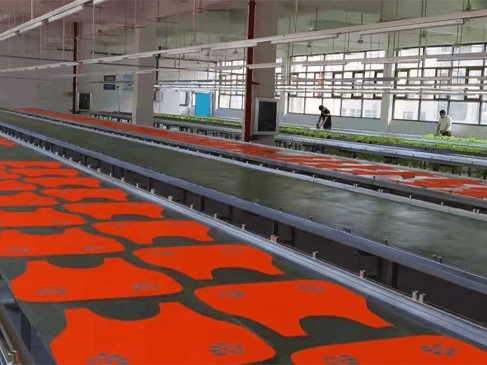
The vest usually uses fluorescent fabric combined with reflective tape. These materials reflect light back to the source. Workers become visible from a distance. This increased visibility reduces accident risks.
What Is a Type 2 High-Visibility Vest?
A Type 2 high visibility vest refers to a classification under visibility safety standards such as ANSI/ISEA 107.
Type 2 vests provide medium-level visibility protection and are designed for:
- Work near traffic moving over 25 mph
- Roadside work and construction zones
- Warehouse or delivery environments with moderate risk
Key Features of Type 2 Hi Vis Vest:
- Full fluorescent background material
- Reflective tape on torso (and often shoulders)
- Better coverage than basic Type 1 vests
- Lightweight but highly visible design
Type 2 is a balance between comfort and protection, making it one of the most commonly used safety vest types in daily industrial work.
Is It Illegal to Wear Hi Vis?
In most countries, it is not illegal to wear a high visibility vest.
Hi vis clothing is safety equipment, not restricted clothing. Anyone can wear it.
However, there are important considerations:
1. Workplace Regulations
In many workplaces, wearing hi vis is mandatory, not optional. Not wearing it may violate safety rules.
2. Misuse of Official Uniforms
Some restrictions may apply if the vest:
- Imitates police, highway patrol, or emergency services uniforms
- Uses official logos or markings without permission
In such cases, misuse could be regulated or illegal depending on local laws.
3. General Public Use
For everyday use, hi vis vests are completely legal and often recommended for safety.
What Are the Requirements for a High-Visibility Vest?
High visibility vests must meet specific safety requirements depending on the region and industry standards.
1. Fluorescent Background Color
The vest must use bright colors such as:
- Fluorescent yellow
- Fluorescent orange
- Fluorescent red
These colors improve visibility during daylight.
2. Reflective Tape
Reflective strips must be placed on key body areas:
- Chest
- Waist
- Shoulders (for higher class vests)
These strips reflect headlights and other light sources at night.
3. Durability and Performance
A qualified hi vis vest should:
- Maintain reflectivity after washing.
- Resist fading under sunlight.
- Be durable for industrial use.
4. Proper Fit and Comfort
A safety vest must allow:
- Full movement
- Breathability
- Compatibility with other PPE (jackets, helmets, etc.)
Why High Visibility Vests Are Important
High visibility vests are not just work clothing. They are a critical safety tool.
They help:
- Prevent accidents in high-traffic areas.
- Protect workers in low-light environments.
- Improve reaction time for drivers and machinery operators.
- Meet legal safety compliance requirements.
In many industries, they are a mandatory part of personal protective equipment(ppe).
Conclusion
A high-visibility vest is an essential safety garment designed to enhance visibility and reduce workplace accidents. Understanding the different types, such as Type 2 vests, helps buyers choose the right level of protection.
While it is generally legal to wear hi vis clothing, it is often required in professional environments and must meet specific safety standards like ANSI or EN ISO 20471.