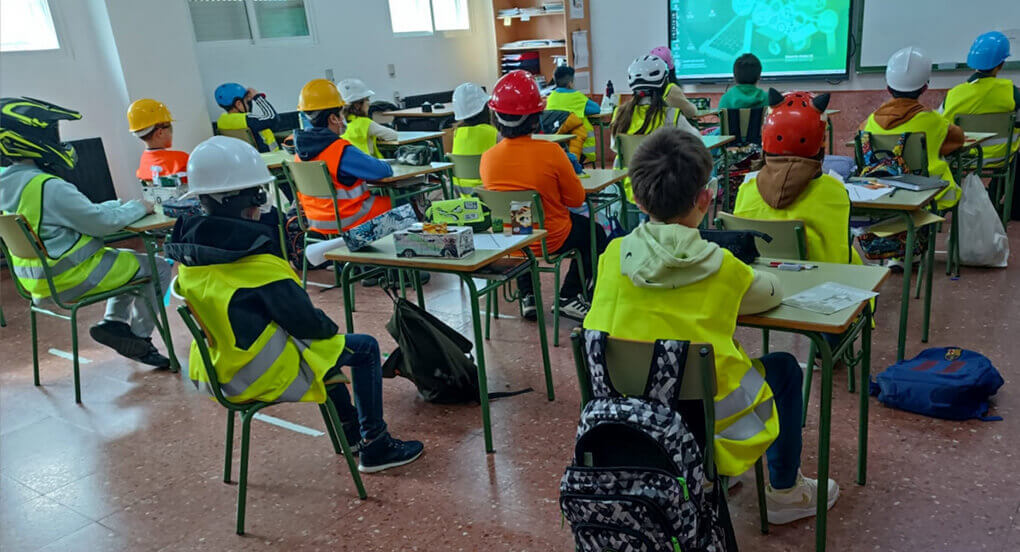
If you’ve noticed more teenagers wearing high visibility safety vests, you’re not imagining things. From school campuses and sports events to volunteer activities and road safety programs, teen safety vest has become increasingly common among young people.
But why are teenagers wearing safety vests? Is it simply a school requirement, or do these garments serve a more important purpose?
The answer is simple: visibility saves lives. Safety vests help teenagers stay visible in environments with vehicles, bicycles, machinery, or large crowds, reducing the risk of accidents.
Next, we’ll explore the most common reasons teenagers wear safety vests.
1. Improving Road Safety Around Schools
One of the biggest reasons teenagers wear safety vests is to stay visible near traffic.
Many middle schools and high schools are located near busy roads. Students often walk or cycle to school in the early morning or late afternoon when visibility is low.
A high-visibility teen safety vest helps drivers notice students from a much greater distance.
Typical situations include:
- Walking to and from school
- Crossing busy intersections
- Bicycle commuting
- Field trips requiring road crossings
Bright fluorescent fabrics combined with reflective tape significantly improve visibility in daylight, low-light, and nighttime conditions.
2. School Volunteer Programs
Many schools encourage students to participate in volunteer activities.
Teen volunteers often wear reflective vests to help identify their responsibilities during events such as:
- School festivals
- Charity fundraisers
- Sports competitions
- Campus open days
- Community clean-up projects
- Orientation programs
The safety vest immediately lets visitors know who can provide assistance. It also creates a more organized and professional appearance.
3. Outdoor Education and Field Trips
Schools regularly organize educational trips to museums, parks, nature reserves, factories, and historical sites. Keeping watch many teenagers in crowded public places can be challenging. But reflective teen safety vest make students easier to identify, allowing teachers to quickly locate group members. Many schools even use different vest colors for different classes or groups.
4. Sports Events and School Competitions
Safety vests are common in school sports.
They are often worn by:
- Student volunteers
- Event staff
- Team coordinators
- First-aid assistants
- Equipment managers
- Referees-in-training
For outdoor practices, brightly colored training bibs also help distinguish teams during games. This improves both organization and player recognition.
5. Bicycle Safety
Cycling has become increasingly popular among teenagers. Whether commuting to school or riding recreationally, cyclists are much safer when drivers can easily see them.
Reflective safety vests are especially important during:
- Early morning rides
- Evening commuting
- Rainy weather
- Foggy conditions
- Winter months
Many schools now recommend or require reflective clothing for student cyclists.
6. Community Service Activities
Teenagers frequently participate in community service programs organized by schools, local governments, or nonprofit organizations. Safety vests help distinguish volunteers from participants while increasing visibility in public spaces.
7. Traffic Safety Education Programs
Many schools organize traffic safety awareness campaigns.
Students may wear reflective vests while learning about:
- Safe road crossing
- Bicycle safety
- Pedestrian awareness
- Traffic regulations
These programs teach lifelong safety habits while allowing instructors to monitor students more easily.
8. Emergency Preparedness Drills
Schools regularly conduct emergency evacuation drills.
Reflective safety vests help identify:
- Student leaders
- Safety marshals
- First-aid volunteers
- Emergency response teams
- Teachers supervising the evacuation
Clear identification improves coordination during emergency situations.
9. Building Responsibility and Team Identity
Safety vests do more than improve visibility.
They also give teenagers a clear sense of responsibility.
Students wearing designated safety vests often serve as:
- Peer mentors
- Student leaders
- Event volunteers
- Campus guides
- Safety ambassadors
The vest becomes an easy visual indicator of leadership and accountability.
What Features Should Teen Safety Vests Have?
When selecting safety vests for teenagers, organizations should prioritize comfort, durability, and visibility.
Important features include:
- High-visibility fluorescent fabric
- Reflective tape for 360° visibility
- Lightweight breathable mesh material
- Adjustable sizing
- Durable stitching
- Easy zipper or hook-and-loop closure
- Multiple pockets for volunteers or event staff
- Machine washable fabric
- Custom logo printing for schools or organizations
Comfort is especially important because teenagers are more likely to wear safety equipment consistently if it fits well and remains breathable during extended activities.
Conclusion
The growing use of safety vests among teenagers reflects a stronger emphasis on visibility, organization, and accident prevention. Whether students are walking to school, volunteering at community events, participating in outdoor education, or gaining workplace experience, high-visibility vests help create safer environments for everyone.
For schools, youth organizations and distributors, investing in quality reflective safety vests is a practical way to improve safety while reinforcing responsibility and teamwork.